Free ยท No signup

Know Exactly When You'll Finish Your Next Book

Enter your reading speed and schedule. BookMeter calculates your finish date, daily page targets, and annual book count โ€” precise, no guesswork.

Works on mobile โญ 4.7/5 from 312 users 4,217 calculations run
๐Ÿ“– Live Example
Finish in
18 days
Pages/day
22
Annual books
24
Total hours
9.2 h
Based on: 400-page book ยท 22 pages/session ยท 5 sessions/week ยท 250 wpm

Plan Your Reading Schedule

Enter your book details and reading habits. The calculator instantly shows your finish date and daily targets.

Sessions to Finishโ€“
Days to Finishโ€“
Finish in (weeks)โ€“
Pages Per Day (avg)โ€“
Total Reading Timeโ€“
Books Per Year (this pace)โ€“

Three Steps to a Smarter Reading Plan

No account needed. Your data never leaves your browser.

01

Enter Your Book Details

Provide the total page count and your average reading speed. Default values are pre-filled for a typical adult reader.

02

Set Your Schedule

Choose how many sessions per week and how long each session runs. The calculator adapts to any routine.

03

Review Your Projections

Instantly see your finish date, daily page target, total reading hours, and projected annual book count.

Reading Strategy & Book Intelligence

Practical articles for readers who want structure, not just enthusiasm.
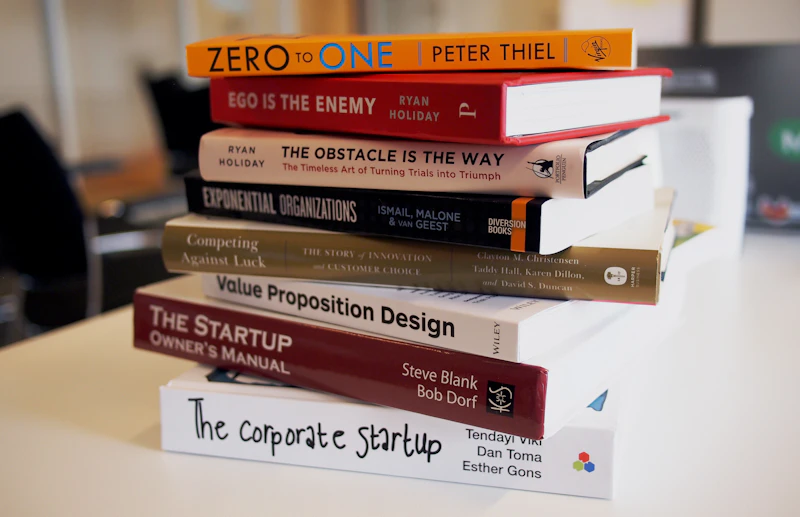
Open books on a desk
Reading Systems

How to Build a Sustainable Reading System That Actually Works

Most reading systems collapse within three weeks. Here is the structural approach that endures.

Margaret Ashford ยท March 2026
Read โ†’
Reading goals notebook
Reading Goals

Setting Meaningful Reading Goals: A Framework for Serious Readers

Arbitrary annual targets rarely lead to better reading. A structured goal framework changes that.

Daniel Holt ยท March 2026
Read โ†’
Home library shelves
Library Organisation

Organising Your Personal Library: Practical Methods for Book Collectors

When your collection exceeds 200 volumes, organisation stops being optional. These methods scale.

Claire Sutton ยท March 2026
Read โ†’

What Readers Say

BookMeter is used by readers who treat their time seriously.

โ˜…โ˜…โ˜…โ˜…โ˜…

"I used to abandon books mid-way with no sense of progress. Knowing I'll finish in exactly 11 days changes my entire attitude toward sitting down to read."

Priya MehtaGraduate student, Edinburgh
โ˜…โ˜…โ˜…โ˜…โ˜…

"The annual projection is what sold me. I put in my actual schedule and discovered I can realistically finish 31 books this year โ€” not 20 as I assumed."

Thomas EngelSoftware engineer, Berlin
โ˜…โ˜…โ˜…โ˜…โ˜†

"Clean, fast, no ads. I run this before starting any book now. The copy-results button is a small detail that matters more than I expected."

Abigail FraserSecondary school teacher, Bristol

Common Questions

Straightforward answers about how BookMeter works.

How is reading speed calculated?

The calculator multiplies your words-per-minute rate by the average words per page in your book. Adjust the "Words Per Page" field for dense academic texts or illustrated books.

Does my data get saved anywhere?

No. All calculations run entirely in your browser. BookMeter does not transmit or store any input you provide.

What is a typical reading speed for an adult?

Research suggests 238โ€“260 wpm for non-fiction and 280โ€“320 wpm for fiction. The default of 250 wpm represents a measured, comprehension-focused pace.

Can I plan reading for multiple books?

Run the calculator once per book. For sequential reading, add the days-to-finish values together to build a full reading calendar.

How do I find the page count of a book?

The page count is printed on the copyright page and listed on most bookseller and library catalogue pages. Use the physical page count, not chapter estimates.

Is BookMeter suitable for audiobooks?

The pace calculator is designed for print and e-book reading. For audiobooks, use the session-length field to enter listening minutes and set pages per session to the equivalent chapter length.

We use cookies to improve your experience. Privacy Policy